
Three core services
One licensed partner for your commercial project.
We understand the process, we track the details, and we tell you exactly what needs to happen next.

01
General Contractor
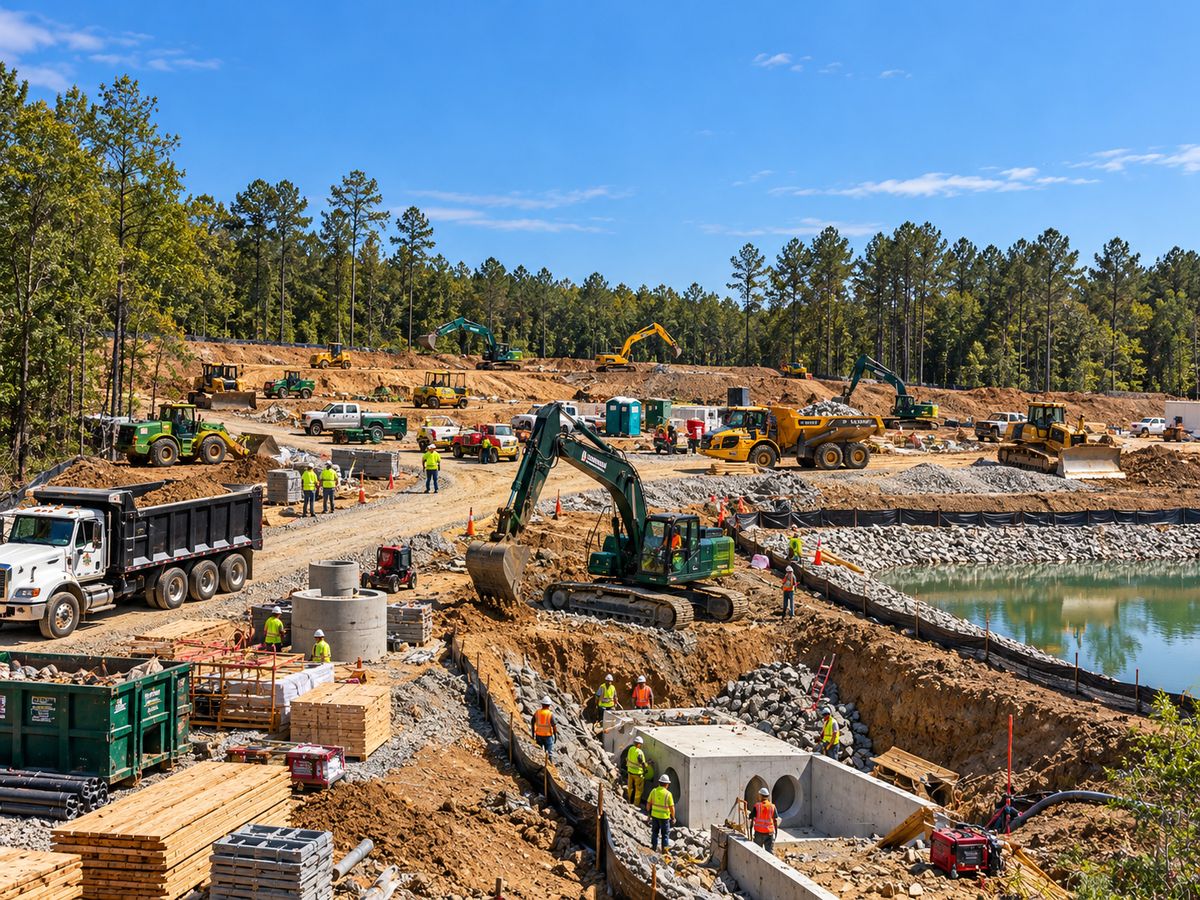
CFDG holds the contract and the permit and carries full responsibility as the licensed general contractor, supervising the work from start to closeout.
- Holds the contract and the permit
- Carries full responsibility as the licensed GC
- Supervises the work from start to closeout
- Sets the compliance requirements
- Keeps every project aligned with its license, permits and the code
02
Commercial Permitting and Regulatory Coordination
Permit applications prepared and submitted, and jurisdiction-specific requirements identified before submission rather than after a rejection.
- Permit applications prepared and submitted
- Building department communication handled
- Review comments relayed and tracked
- Parcel data, legal descriptions, utility providers and local submittal rules researched up front
03
Multi-State Licensing and Compliance
Active commercial licensure across several states, kept current so a lapsed credential never becomes the reason a project stops.
- Active commercial licenses in nine states
- License status, renewals and documentation kept current
Who does what
CFDG is plainly in charge. Your team does the work.
A clear chain of responsibility, so you get a partner who does not slow you down.
CFDG, the licensed GC
- Holds the contract
- Holds the permit
- Carries the accountability
- Supervises the work from start to closeout
- Sets the compliance requirements
Your team
- Brings the crew
- Brings the expertise
- Keeps the momentum
- Performs the work under CFDG’s agreement
Scope of work
The projects we permit and build.
Sectors with project history: quick-service restaurants, hospitality, retail.
01
Commercial new construction
02
Tenant upfits
03
Remodels and alterations
04
Rehab
05
Demolition
Start with aproject review.
Tell us the state, scope, project type and timeline. The intake form does the qualifying, so our first reply can be useful.
Email is preferred because it keeps a documented record. For anything time-sensitive, say so in the subject line.